It’s All About How You Move
f you look at the back of a button-down shirt, you’ll usually see folds of fabric near the top. These aren’t just for style; they are actually there to give you more room. Since most shirt fabric doesn’t stretch, the back would feel way too tight every time you reach forward or sit down.
The pleat is basically “hidden” extra fabric. It stays flat when you’re standing still, but when you move your arms, the fold opens up so the shirt doesn’t pull against your shoulders or rip. It’s a simple design trick that makes a stiff shirt feel much more comfortable.
The Box Pleat: The Classic Look
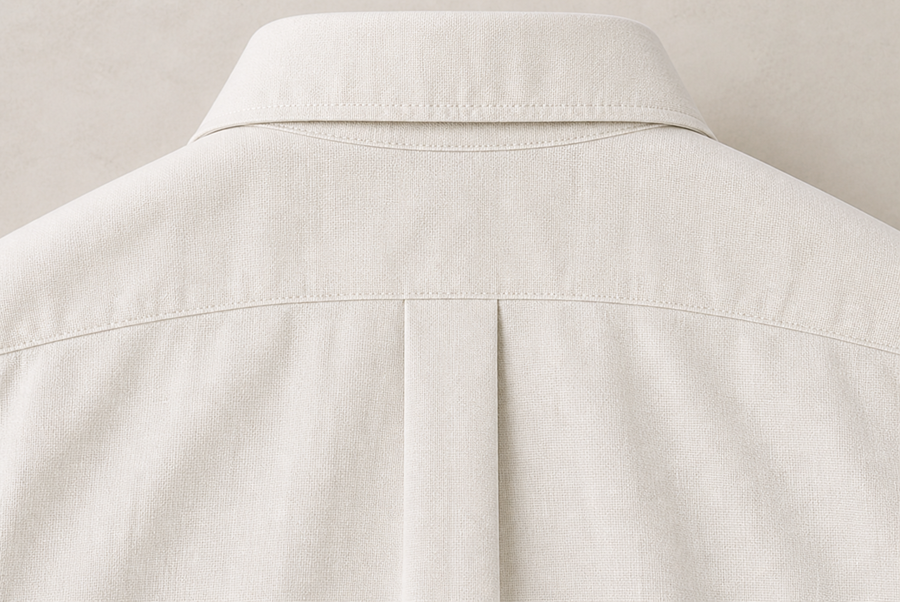
The Box Pleat: is probably the one you see most often. It’s a single, wide fold right in the middle of the back, just below the shoulders. If you look closely, it looks like a rectangular “box” of fabric running down the spine.
Why it’s there: This design is all about tradition and comfort. It adds extra room right in the center of your back, making it much easier to move your arms around. Because it uses a good amount of fabric, it’s great if you want a shirt that feels airy and not too tight.
When to wear it: You’ll usually find this on classic “Oxford” shirts or everyday casual button-downs. It has a very traditional, “preppy” look that has been popular for decades. Just keep in mind that because it’s a bit bulkier, it might puff out a little if the shirt is pinned very tight or if you have a very muscular build.
The Inverted Pleat: A Cleaner Style
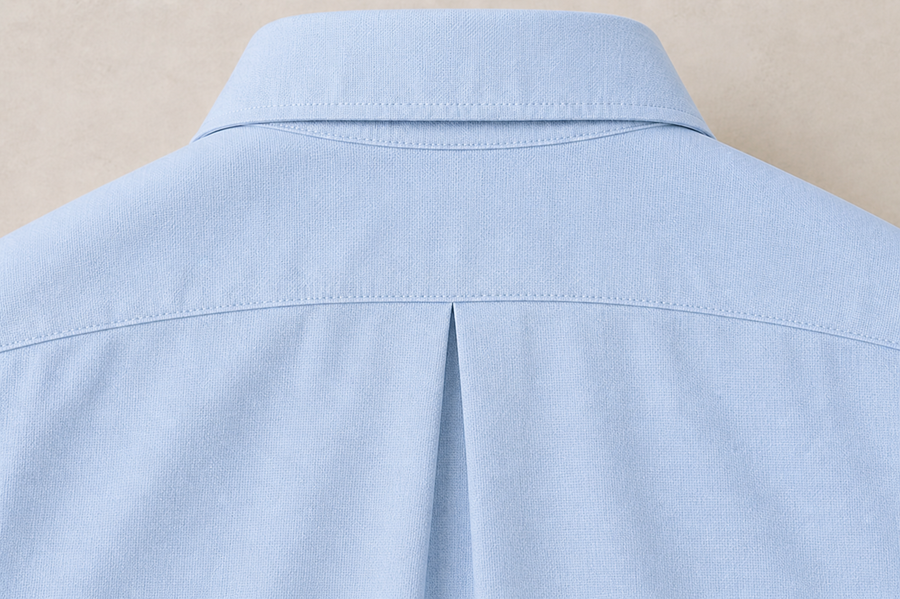
The Inverted Pleat is very similar to the box pleat, but with one big difference: the fold goes inward instead of poking out. This means the extra fabric is tucked away inside the shirt rather than sitting on the surface.
Why it’s there: It gives you the exact same comfort and mobility as a regular box pleat, but it looks much flatter. Because the fold is hidden, the back of your shirt stays looking smooth and crisp even when you are moving around.
When to wear it: This is perfect for formal or business shirts. If you want a shirt that looks sharp and professional but still gives you enough room to reach for things without feeling restricted, this is the design to look for. It’s a great “middle ground” between a bulky casual shirt and a tight
Side Pleats: Built for Your Shoulders
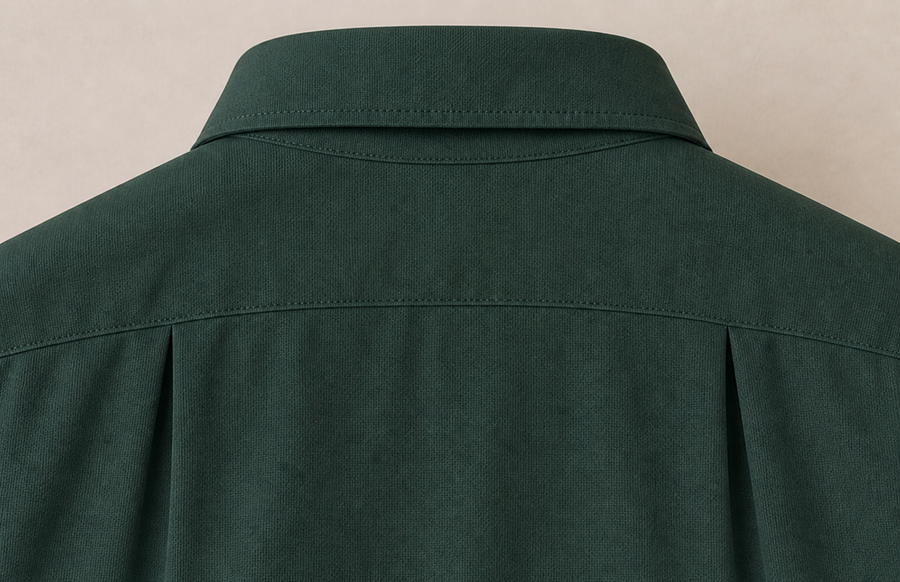
Instead of one big fold in the middle, Side Pleats use two smaller folds located right behind your shoulder blades. These are often called “knife pleats” because they are pressed flat and look very sharp.
Why they’re there: Since these pleats sit directly over your shoulder blades, they provide extra room exactly where you need it most. When you reach forward like when you’re typing or driving the fabric opens up laterally. Many people find this more comfortable than a center pleat because it follows the natural shape of a man’s back and shoulders.
When to wear it: This is a favorite for modern, tailored, or slim-fit shirts. Because the fabric is moved to the sides, the center of your back stays flat and smooth, making you look leaner. It’s the best choice for athletic guys with broad shoulders who still want a shirt that fits close to the body without feeling like it’s going to rip.
The Box Pleat with a Locker Loop
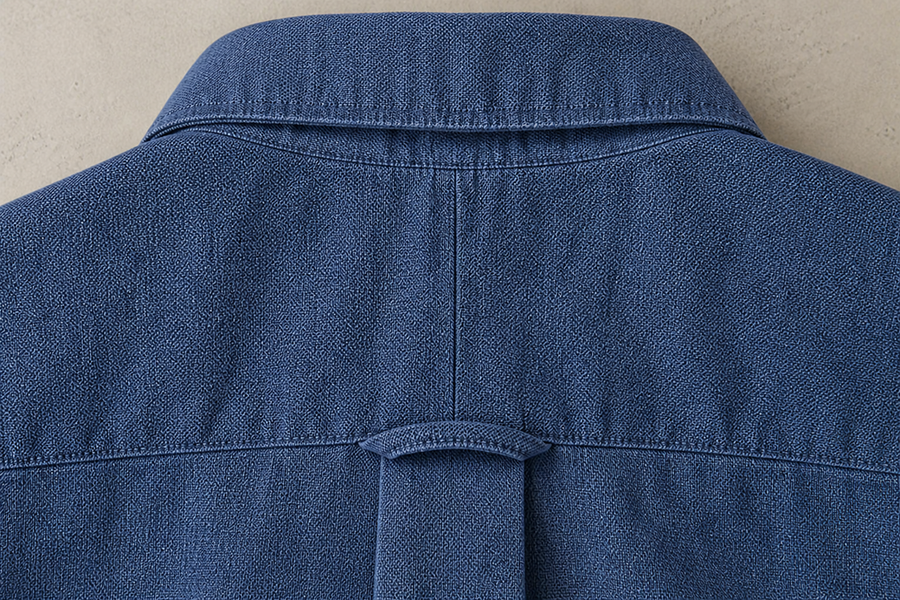
Sometimes, you’ll see a box pleat that has a tiny loop of fabric stitched right at the top. This is known as a Locker Loop, and it usually sits right where the pleat meets the shoulder panel.
Why it’s there: The pleat itself does the same job as a regular box pleat giving you extra room to move. However, the loop is a practical carry-over from the past. Before everyone had closets with hangers, people used these loops to hang their shirts on a peg or a hook in a gym locker (which is where the name comes from).
When to wear it: You will almost always find this on casual or “Ivy League” style shirts. It’s a small detail that tells people the shirt is built for a relaxed, active lifestyle. While most people use hangers today, the loop is still a cool, functional nod to classic shirt-making history.
The Story Behind the Locker Loop
The little loop on the back of your shirt actually has a pretty cool history. It started with sailors in the Navy who had very little space; they used the loops to hang their shirts on hooks inside cramped ship quarters to keep them from wrinkling.
By the 1950s and 60s, the loop became a huge trend on college campuses. Brands like Gant added them to shirts for Ivy League students so they could hang their clothes up easily in gym locker rooms.
Afshi Speaks is a general interest blog dedicated to exploring the stories, ideas, and topics that shape our world. Our team researches and writes across a wide range of subjects to bring curious readers honest, informative, and engaging content.

Leave a Reply