Most people use a toothbrush every day without giving much thought to it. We carefully choose toothpaste, mouthwash, and other dental products, yet many of us continue using the same toothbrush long after it should have been replaced.
A toothbrush is one of the most important tools for maintaining oral hygiene. However, even the best toothbrush becomes less effective over time. Understanding when to replace it can help keep your teeth cleaner, your gums healthier, and your brushing routine more effective.
Why Toothbrushes Don’t Last Forever
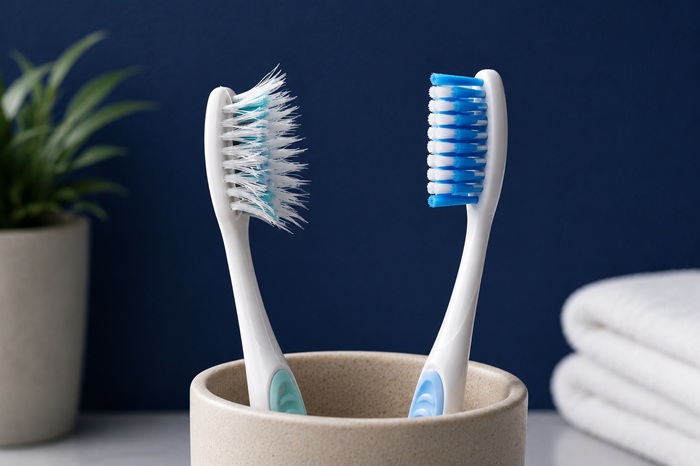
Every time you brush, the bristles experience wear and tear. After weeks of use, they begin to bend, fray, and lose their original shape. When this happens, the toothbrush can no longer clean teeth and gums as effectively as it did when it was new.
Research has shown that worn toothbrush bristles remove less plaque than fresh, properly shaped bristles. As a result, an old toothbrush may leave behind more food particles and bacteria, increasing the risk of oral health problems over time.
The General Rule: Replace Every 3 to 4 Months
Dental professionals commonly recommend replacing a toothbrush approximately every three to four months.
This recommendation applies to both manual and electric toothbrush heads. For electric models, only the brush head usually needs to be replaced, while the handle can continue to be used.
However, the three-to-four-month guideline is only an average. Some people may need a replacement sooner depending on how aggressively they brush and the condition of the bristles.
Signs It’s Time for a New Toothbrush
You do not always need to check the calendar. Often, your toothbrush will show visible signs that it should be replaced.
- Frayed or Bent Bristles
This is the most obvious sign. If the bristles are spreading outward, bent, or uneven, the toothbrush is no longer cleaning effectively. - Discoloration
Some toothbrushes include indicator bristles that fade over time. When the color noticeably fades, it often signals that replacement is due. - Unpleasant Odor
A toothbrush should not have a persistent bad smell. An odor may indicate that moisture and microorganisms have accumulated despite regular rinsing. - After an Illness
Many dental professionals suggest replacing your toothbrush after recovering from illnesses such as a cold, flu, or throat infection.
What Happens If You Keep Using an Old Toothbrush?
Using a worn toothbrush does not usually cause immediate problems, but it can gradually reduce the effectiveness of your oral hygiene routine.
Possible consequences include:
- Less effective plaque removal
- Increased buildup of food particles
- Reduced cleaning along the gum line
- Higher likelihood of bad breath
- Greater risk of gum irritation
In short, brushing regularly is important, but brushing with an effective toothbrush is equally important.
Can a Toothbrush Become Dirty?
Toothbrushes naturally come into contact with bacteria found in the mouth. This is normal and does not mean a toothbrush is unsafe.
Most bacteria can be managed by proper toothbrush care:
- Rinse thoroughly after each use.
- Store upright whenever possible.
- Allow it to air dry.
- Avoid keeping it in a sealed container for long periods.
- Do not share toothbrushes with others.
Keeping a toothbrush dry between uses helps reduce the growth of unwanted microorganisms.
Manual vs. Electric Toothbrushes
The replacement schedule is similar for both types.
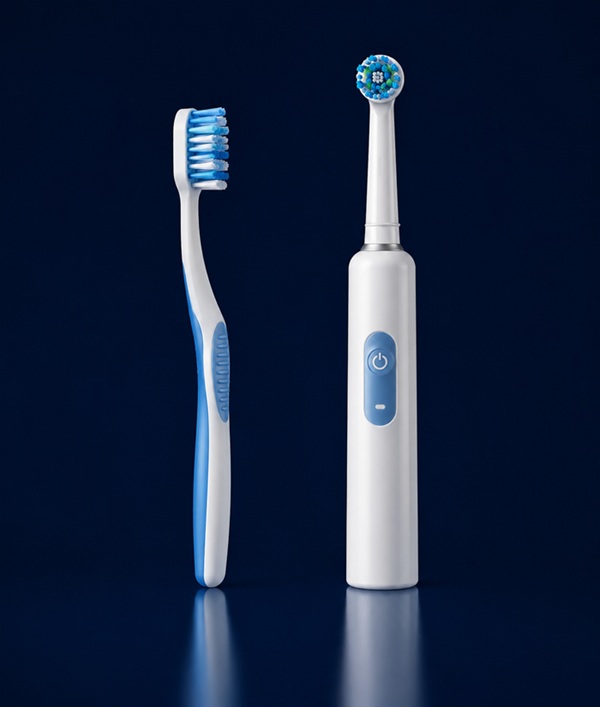
A manual toothbrush should generally be replaced every three to four months, while electric toothbrush users should replace the brush head on a similar schedule or according to the manufacturer’s recommendations.
The key factor is not the type of toothbrush but the condition of the bristles.
Common Mistakes People Make
Many people unknowingly reduce the lifespan and effectiveness of their toothbrushes.
Some common mistakes include:
- Brushing too hard
- Using a toothbrush for six months or longer
- Storing a wet toothbrush in a closed container
- Ignoring worn bristles
- Sharing toothbrushes
Avoiding these habits can help maintain better oral hygiene.
The Takeaway
A toothbrush is a simple tool, but replacing it at the right time can make a noticeable difference in oral health. Most experts recommend changing your toothbrush or brush head every three to four months, or sooner if the bristles become frayed or damaged.
The easiest rule to remember is this: if your toothbrush no longer looks new, it may no longer clean like new. Checking your brush regularly and replacing it when needed is a small habit that can contribute to a healthier smile.

Afshi Speaks is a general interest blog dedicated to exploring the stories, ideas, and topics that shape our world. Our team researches and writes across a wide range of subjects to bring curious readers honest, informative, and engaging content.

Leave a Reply