The Hidden World of Himalayan Polyandry
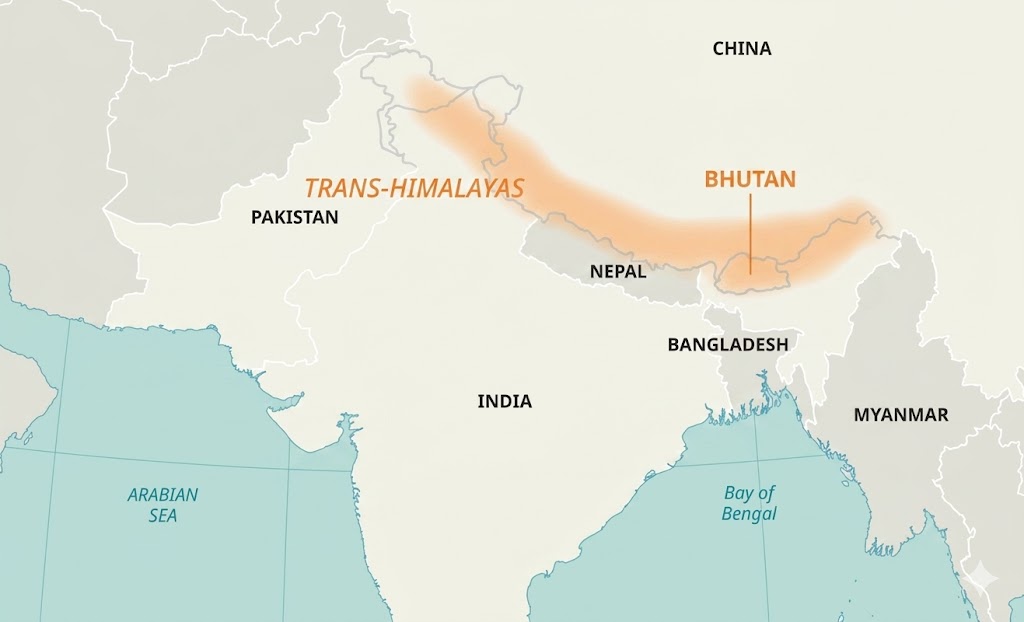
Polyandry the practice of a woman having more than one husband simultaneously is a rare exception in the global story of marriage. While most cultures moved toward monogamy or polygyny (one man, many wives), remote communities in the world’s highest reaches took a different path. This wasn’t a random social experiment; it was a cold, calculated strategy for survival in places where the soil is thin and the winters are long.
Why It Exists? The Economic Engine
In the Trans Himalayan regions, land is the only true wealth. Under traditional inheritance laws, if a father with four sons divided his farm, each son would end up with a plot too small to grow enough barley or wheat to survive. By practicing fraternal polyandry, the land remains “whole.”
- The Labor Divide: In a household in Upper Dolpa, Nepal, duties are strictly split. One husband may handle the trade routes to Tibet, another manages the high-altitude yak herding, and a third stays home to oversee the farming. This “division of labor” ensures the family is productive on all fronts.
- The Population Check: Historically, polyandry acted as a natural form of population control. Since one woman can only have a certain number of children regardless of how many husbands she has, the village population remained stable enough to be supported by the limited food supply.
Cultural Rituals and the “Pandava” Influence
The practice isn’t just about survival; it’s woven into the local spiritual fabric.
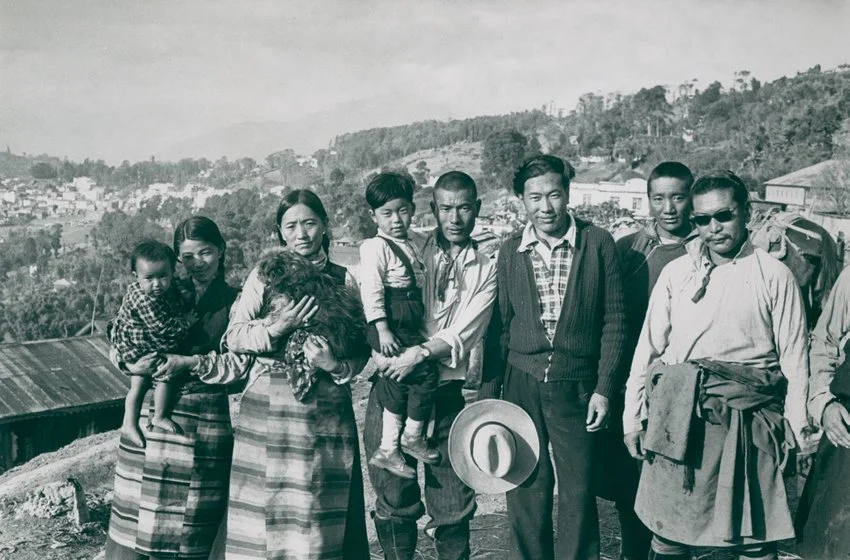
- The Marriage Ceremony: In Ladakh and parts of Kinnaur, the wedding usually involves the bride and the eldest brother. Once the ceremony is complete, the younger brothers are automatically considered husbands, though they often participate in a smaller ritual of “offering” to the bride to signify their entry into the union.
- The Mahabharata Connection: For the Pahari communities of Uttarakhand, this isn’t a “strange” custom it is a sacred one. They trace their lineage back to the Pandavas, the five warrior brothers who shared Queen Draupadi. This religious backing provides a sense of pride and continuity, even when the outside world views the practice with skepticism.
The Daily Reality: How It Works
A common question from outsiders is how paternity is handled. In these communities, the concept of “biological father” is often secondary to the role of “social father.”
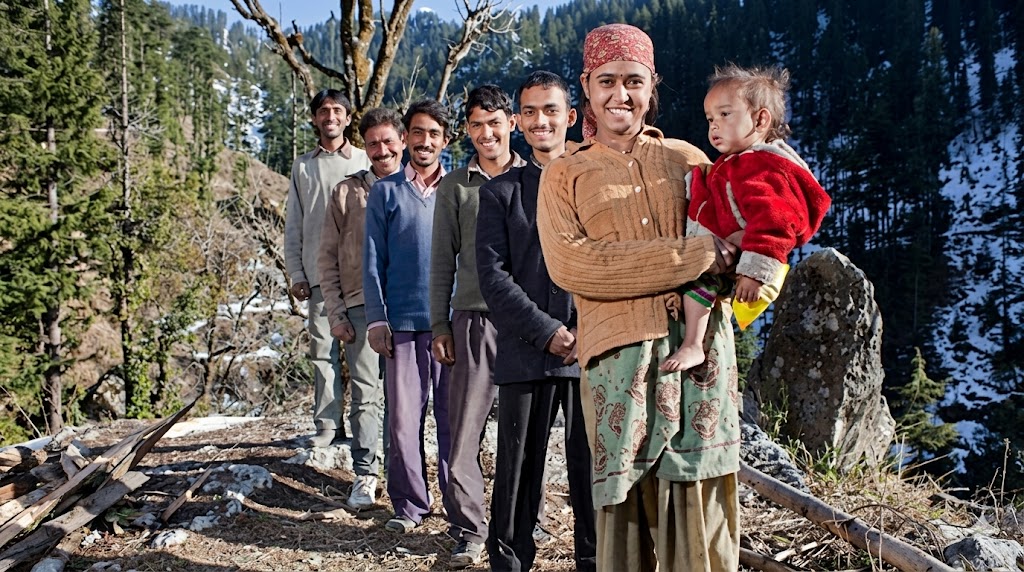
- “All are Fathers”: Children typically refer to the eldest brother as “Father” and the younger brothers as “Uncle-Father.” There is rarely any effort to determine biological paternity, as all children are seen as equal members of the collective family unit.
- The Role of the Wife: The woman is the central pillar of the home. Her ability to manage the different personalities of the brothers is what keeps the household from collapsing. If she favors one brother too heavily, the others may leave, taking their labor with them and weakening the family’s economic standing.
The Modern Decline
Today, the road to the Himalayas is opening up, and the tradition is fading.
- Legal Status: In India, the Hindu Marriage Act of 1955 officially banned bigamy and polyandry. While tribal areas often have “customary law” protections, the younger generation is increasingly wary of the legal complications.
- Education and Mobility: With the rise of tourism in places like Spiti Valley and Leh, young men no longer rely solely on the family farm. They are becoming trekking guides, shop owners, or moving to cities for government jobs. When the economic need to keep the land “whole” disappears, the social need for polyandry usually goes with it.
Polyandry stands as a testament to the sheer flexibility of human society. It was a solution to an environment that offered no safety net a way to ensure that no brother was left landless and no farm was left untended. As modern life reaches these high altitudes, the practice is becoming a rare chapter in history, reminding us that “family” is often defined by what we need to do to survive together.

Afshi Speaks is a general interest blog dedicated to exploring the stories, ideas, and topics that shape our world. Our team researches and writes across a wide range of subjects to bring curious readers honest, informative, and engaging content.

Leave a Reply