The Long Road to a Better Stitch
Back in the 1700s, everything you wore from your socks to your hats was sewn by hand. It was slow, tiring work. But as the world started using big steam engines and factories, a few inventors started wondering: Could a machine do this instead?
- 1755: A Different Kind of Needle A German man named Charles Frederick Wiesenthal took the first step. He didn’t build a whole machine, but he did invent a special needle with two points. It was the first time anyone had legally “claimed” an idea for mechanical sewing.
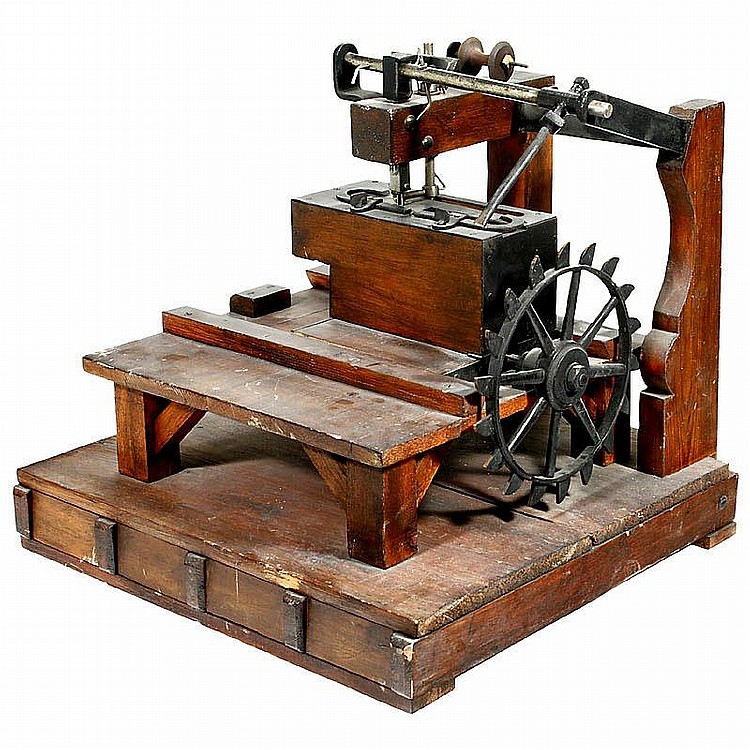
- 1790: The Secret Blueprints Then came Thomas Saint, who worked with wood and leather. He drew up plans for a heavy-duty machine to help make boots and ship sails. He used a “chain stitch,” which loops the thread like a braid.
- The Mystery: For almost 100 years, nobody knew if his machine actually worked! It wasn’t until 1874 that a man named William Newton Wilson found Saint’s old drawings, built the machine exactly as described, and proved that the design was a success.
More Early Tries (1810s–1820s)
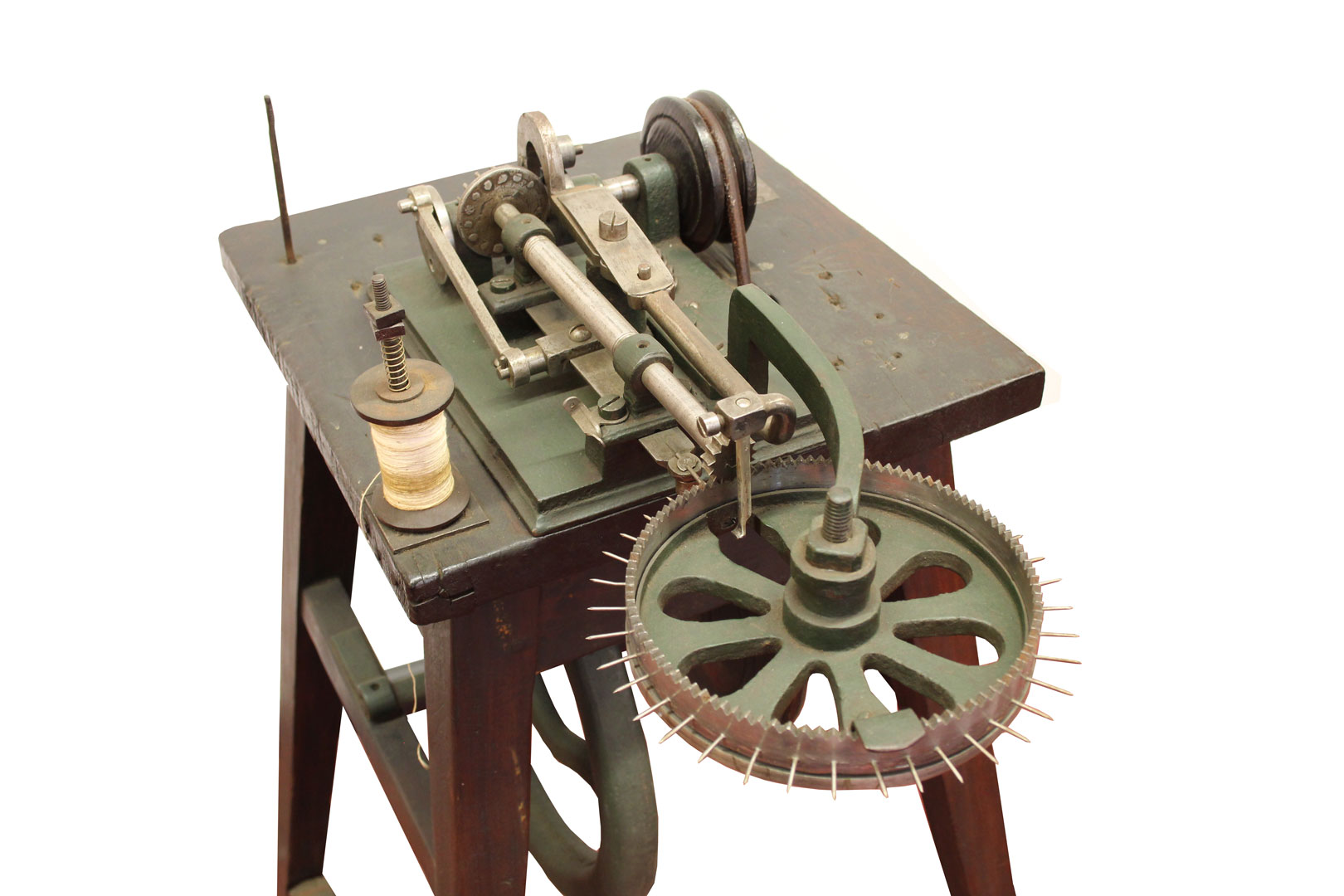
Other inventors tried their luck too. Balthasar Krems built a machine just for sewing stocking caps, while Josef Madersperger in Austria spent years making different prototypes. They had great ideas, but their machines weren’t quite ready for people to actually use them.
1830: The Brave French Tailor
A French tailor named Barthélemy Thimonnier built the first machine that actually worked for a business. He opened a factory with 80 machines to sew army uniforms. But local tailors were so scared the machines would steal their jobs that they formed a mob and burned his factory down! Thimonnier escaped, but he never became rich from his invention.
1830s–1840s: The Man Who Felt Bad
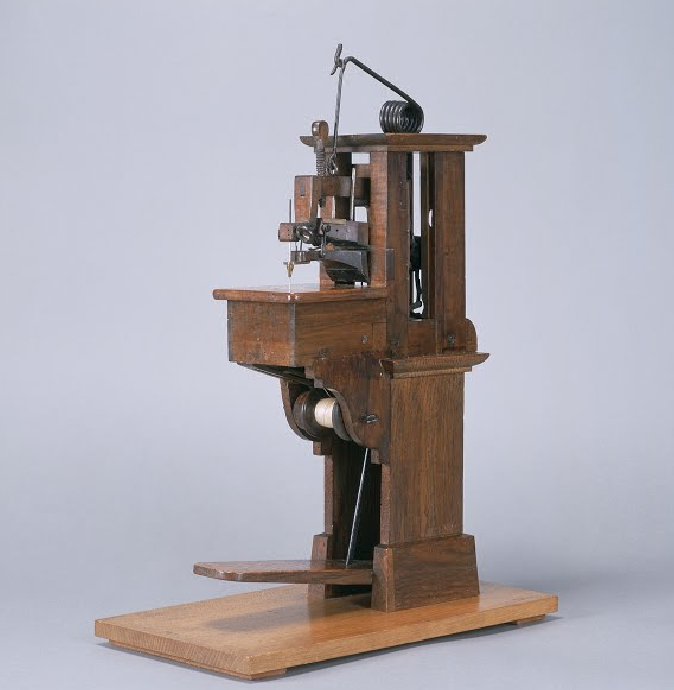
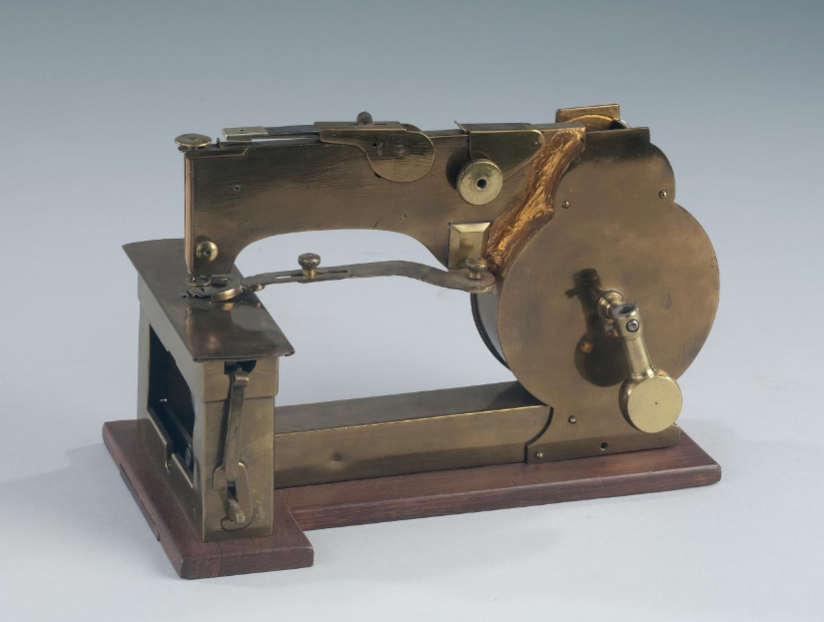
In America, Walter Hunt invented the “lockstitch.” This was a big deal because it used two threads to make a stitch that wouldn’t pull apart. However, he didn’t sign the official papers (patents) for it. He was a nice guy and worried that if he sold the machine, all the people who sewed by hand would lose their jobs.
1846: The Big Breakthrough
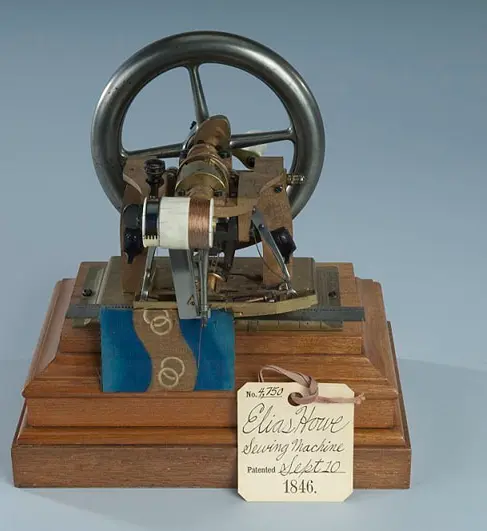
American inventor Elias Howe finally made a machine that worked for everyday use. His design had three key parts: a needle with the “eye” at the point, a shuttle to hold the thread, and a way to move the fabric automatically.
Fast and Easy
Howe’s machine was incredibly fast. Before this, sewing a shirt by hand took about 14 hours. With his machine, it only took one hour. It changed how clothes were made forever.
The Man Who Made It Famous
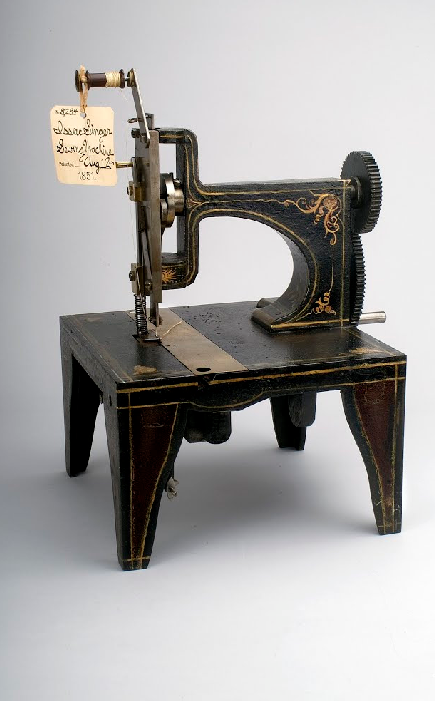
Elias Howe had the patent, but Isaac Merritt Singer had the better design. In 1851, Singer added a foot pedal so you could use both hands to guide the fabric. He was actually a former actor who used his stage skills to put on big, flashy shows to sell his machines.
Buying on a Budget
Singer was a marketing genius. Since machines were expensive, he created the “installment plan,” allowing families to pay a little each month. This made the machine the first “high-tech” appliance that middle-class families could actually afford.
The “Sewing Machine War” Ends
By the late 1850s, the top inventors were all suing each other over their designs. To stop the fighting, they formed a “Patent Pool” to share their ideas. Singer’s company eventually dominated, owning 80% of the world market by 1900.
Modern Times
The first electric models arrived in 1889. By the early 1900s, the sewing machine was a household staple. It transformed a long, painful chore into a fast hobby and gave people the power to make their own fashionable clothes at home.
Fun Facts: The Drama and Speed
- Riots and Riots: The sewing machine started with a bang. Barthélemy Thimonnier’s factory was attacked twice by angry crowds. Tailors were so afraid of losing their jobs that they smashed his machines and forced him to run for his life.
- The Great Courtroom Battle: For years, inventors fought over who “owned” the idea. Elias Howe sued Isaac Singer and won! This huge legal fight led to the first-ever “Patent Pool,” where all the inventors finally agreed to share their tech.
- Incredible Speed: Before these machines, even the best sewer could only do about 30 stitches a minute. The first machines could do hundreds in that same time. It was like going from a slow walk to a high-speed chase!
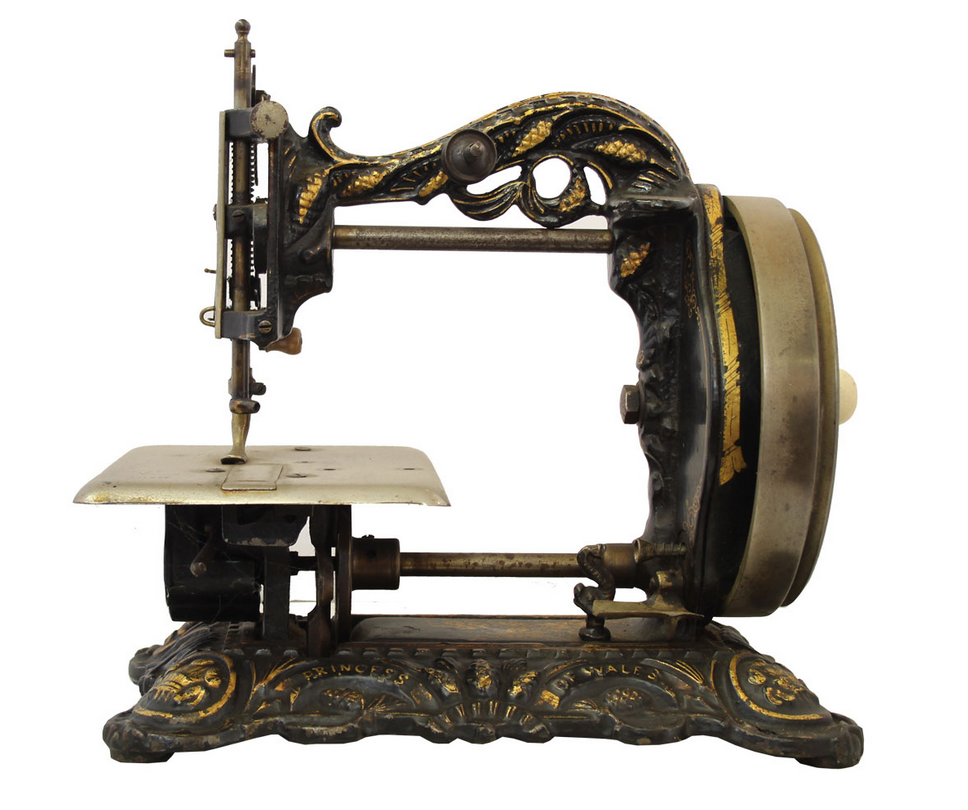
- A Victorian Treasure: Singer machines weren’t just tools; they were beautiful. With their gold decorations and fancy wooden tables, they became symbols of a modern home. Today, collectors still hunt for these “antique” Victorian models.
- The Future is Digital: Today’s machines are tiny computers. They can do everything from complex quilting to embroidery automatically. We’ve come a long way from the days of simple needles and hand-turned wheels!

Afshi Speaks is a general interest blog dedicated to exploring the stories, ideas, and topics that shape our world. Our team researches and writes across a wide range of subjects to bring curious readers honest, informative, and engaging content.
Leave a Reply