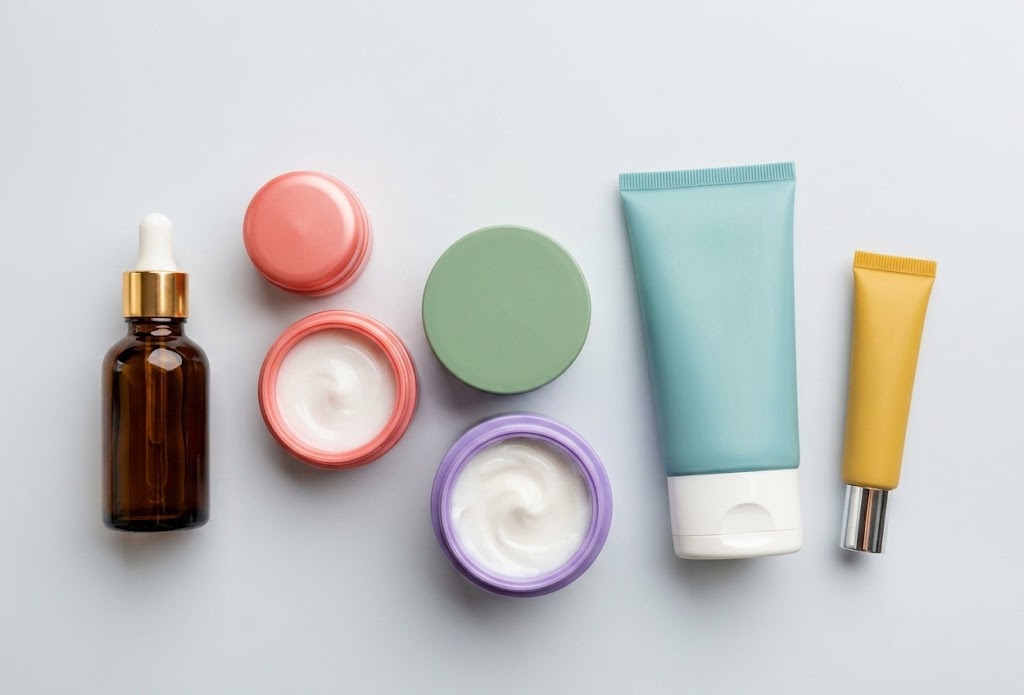
The price of a cream may tell you more about its packaging and marketing than what it can do to your skin.
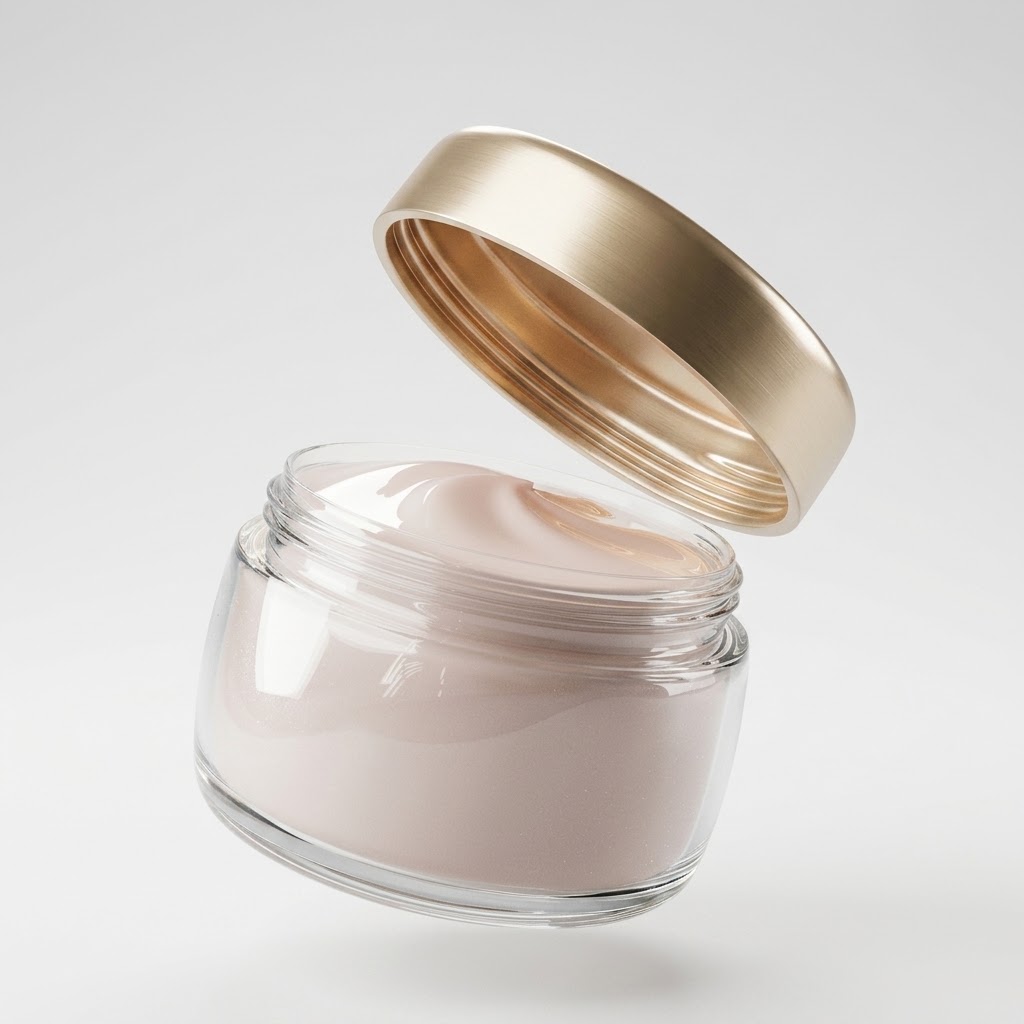
Walk into the beauty section of a department store and it is easy to conclude that better skin comes with a higher price tag. A jar of face cream can cost a few dollars, while a luxury version can sell for hundreds. The more expensive product may arrive in a heavy glass container, carry a famous name, and promise firmer, smoother, younger-looking skin.
The question is whether the extra money buys better results.
The answer, according to the evidence, is less glamorous. For basic moisturisation, there is little reason to assume that an expensive cream will outperform an affordable one simply because it costs more. What matters more is what is in the formula, what problem it is intended to address, and, perhaps most importantly, whether people use it consistently.
The Business of Making Skincare Feel Expensive
The modern skincare industry does not sell only ingredients it sells an experience. Packaging, fragrance, texture, and branding can heavily influence how consumers perceive a product. That does not necessarily make a product ineffective, but it does mean that the price on the shelf is not a reliable measure of its biological effect.
A 2007 randomized controlled study published in Skin Research and Technology put this question directly to the test.
Researchers recruited 80 Swedish women aged between 35 and 64 and divided them into three groups:
- Group A: Used an expensive anti-wrinkle cream in its original luxury packaging.
- Group B: Used an ordinary moisturizer placed inside the same luxury packaging.
- Group C: Used the expensive cream in a plain container.
Participants used their assigned products for six weeks. The result was revealing.
The researchers found no significant differences between the three groups in measures including wrinkles, skin smoothness, and other signs of ageing. The luxury packaging did, however, appear to affect behaviour: women using the luxury jars consumed more of the cream, suggesting that presentation could influence compliance.
Key Point: The packaging changed how people interacted with the product more clearly than it changed what the product did to their skin.
The American Academy of Dermatology (AAD) reinforces this point in its consumer guidance, noting that higher price tags do not guarantee superior efficacy and that highly effective, affordable products are widely available.
A Moisturizer Has a Simpler Job Than Ads Suggest
Moisturizers are useful, but their primary job is relatively straightforward: help maintain water in the outer layers of the skin and improve the appearance and feel of dry skin.
These ingredients can make skin feel softer and temporarily make fine lines less noticeable. The AAD likewise notes that moisturizers trap water in the skin to temporarily reduce fine line visibility.
None of this requires a $100 jar.
Luxury products still hold personal value if a consumer prefers the sensory experience, texture, or scent. Those are legitimate reasons to buy they just are not evidence of biological superiority.
Where the Equation Changes: Retinol
The question becomes far more interesting when your objective moves beyond surface hydration. If the goal is to target fine lines and wrinkles, scientific interest shifts to active ingredients like retinoids.
- Retinoids are vitamin-A-derived compounds.
- Retinol is an over-the-counter member of this broader family.
- Tretinoin is a potent, prescription-strength retinoid used under medical guidance.
According to the AAD, retinoids increase skin-cell turnover and stimulate collagen production, directly improving fine lines, wrinkles, uneven pigmentation, and overall skin texture.
The Clinical Proof
In a randomized, double-blind study published in Archives of Dermatology (2007), researchers tested a 0.4% retinol lotion on 36 elderly participants (mean age of 87). The lotion was applied to one arm while a placebo lotion without retinol was applied to the other, up to three times a week for 24 weeks.
The difference was measurable: After 24 weeks, the reduction in fine wrinkles was significantly greater on the retinol-treated arms. Skin biopsies also confirmed increases in markers associated with glycosaminoglycans and procollagen.
The Caveat: This was a small study on elderly skin using a specific 0.4% concentration on arms. It is not proof that every commercial cosmetic retinol formulation will yield identical results on your face.
The Ultimate Anti-Ageing Product: Sun Protection
While creams attempt to treat existing skin changes, the strongest clinical evidence belongs to prevention: sun protection.
Ultraviolet (UV) radiation is the leading cause of photoaging the premature ageing caused by environmental exposure. The AAD places sun protection at the absolute foundation of any anti-ageing strategy, recommending broad-spectrum sunscreen with an SPF of at least 30.
The Photoaging Process:
- Ultraviolet Radiation Exposure — Environmental UV rays penetrate the surface skin layers.
- Photoaging Manifestation — Accelerates wrinkle formation, sunspots, uneven pigmentation, and collagen breakdown.
- Preventative Defense — Daily application of broad-spectrum SPF 30+ blocks UV damage before it accumulates.
4.5 Years of Research
An Australian landmark trial followed 903 adults under age 55 to test if regular sunscreen use could slow visible skin ageing.
- Group 1: Applied daily broad-spectrum sunscreen.
- Group 2: Applied sunscreen at their own discretion.
After 4.5 years, the daily-sunscreen group showed no detectable increase in skin ageing and were 24% less likely to show increased skin ageing compared to discretionary users.
Rather than asking which luxury cream reverses existing wrinkles, the evidence shows it is far more effective to ask: Which daily habit prevents damage in the first place?
What Are You Actually Buying When You Pay More?
The Skincare Paradox
There is an uncomfortable paradox at the heart of the beauty industry: The products that receive the most attention are often the ones promising to transform ageing skin, yet the most evidence-backed measures are comparatively mundane.
To spend intelligently on skincare, stop asking:
❌ “How much does this cream cost?”
Start asking:
✅ “What active ingredients does it contain, what is its intended job, and what clinical evidence supports it?”
📌 Summary
- Price Does Not Equal Efficacy: Expensive basic moisturizers perform no better than budget options; high prices pay for luxury packaging and marketing, not superior biological results.
- Active Ingredients Matter: For treating fine lines and wrinkles, focus on proven active ingredients like retinoids that boost collagen and cell turnover.
- Prevention First: Broad-spectrum sunscreen is the most effective anti-aging product available because it actively prevents UV photoaging before damage occurs.
References
- Skin Research and Technology — Facial Anti-Wrinkle Cream: Influence of Product Presentation on Effectiveness (2007)
- Archives of Dermatology — Improvement of Naturally Aged Skin With Vitamin A (Retinol) (2007)
- Annals of Internal Medicine — Sunscreen and Prevention of Skin Aging: A Randomized Trial (2013)
- American Academy of Dermatology — Wrinkle Remedies
- American Academy of Dermatology — Retinoid or Retinol?
When Should You Get Professional Help?
Talk to a board-certified dermatologist if you experience severe skin irritation, persistent redness, allergic reactions to active ingredients, or if you are considering high-potency prescription retinoids for persistent skin concerns.

Afshi Speaks is a general interest blog dedicated to exploring the stories, ideas, and topics that shape our world. Our team researches and writes across a wide range of subjects to bring curious readers honest, informative, and engaging content.


Leave a Reply