Education Prepares People to Earn, Not to Invest
For most people, education is designed to prepare them for a monthly-paying job, not for investing. From an early age, they are taught how to earn a salary and manage their daily expenses, but very few are taught how investments work or how wealth grows over time. As a result, the mindset of a common person is focused on earning a fixed monthly income to meet life’s needs. Investing works differently. It is not meant to provide a regular monthly paycheck. Instead, its results usually become visible over the long term, often measured over years rather than months.
Monthly Income Creates a Monthly Mindset
After finishing their education, most people enter practical life with many responsibilities. They have to pay bills, support their families, and fulfill their personal goals. As these responsibilities grow, many people start looking at investing as a way to earn extra money quickly. However, this is where expectations often do not match reality.
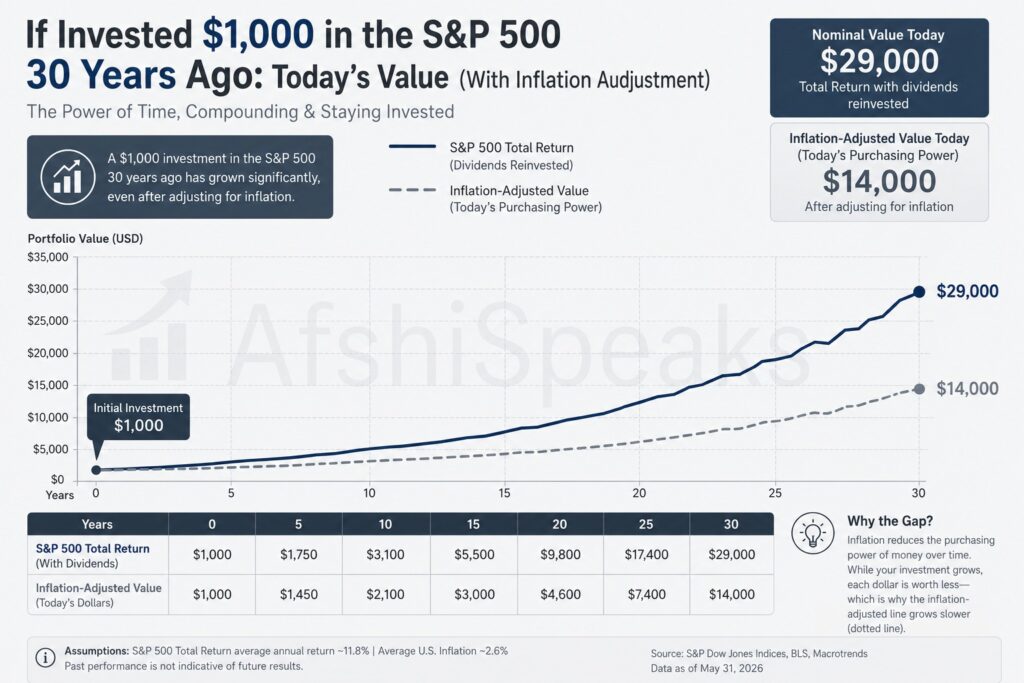
Investing is not designed to pay for your everyday expenses. Its real purpose is to build wealth for the future. Most successful investments grow through the power of compounding, and compounding is a slow and often boring process in the beginning. During the first few years, the growth may seem very small. But with enough time and patience, it starts to gain momentum, just like a snowball rolling downhill becomes bigger and faster.
Lack of Financial Education
A traditional education or college degree is usually not enough to prepare someone for investing. Most schools teach people how to get a job, but they rarely teach how to build wealth through investments. To understand investing, people often need financial education from practical sources, such as books written by experienced investors and long-term market participants.
Financial education helps people understand where to invest, how to evaluate risk, and why inflation slowly reduces the value of money over time. It also teaches one of the most important lessons about investing: money invested today is meant to create a better future, not to pay for today’s expenses. This difference in mindset is what separates investing from simply earning and spending.
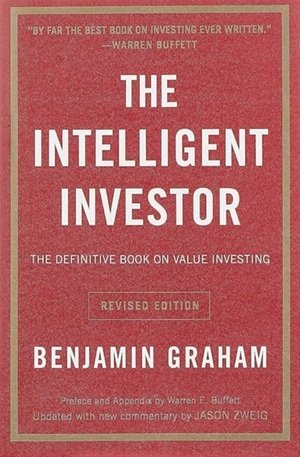
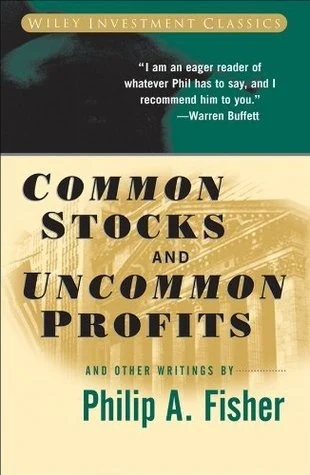
Warren Buffett calls these two books essential reading for every investor and they form the foundation of his legendary investment philosophy.
- The Intelligent Investor — Benjamin Graham (1949)
- Common Stocks and Uncommon Profits — Philip A. Fisher (1958)
Investment Results Take Time
One of the biggest reasons people avoid investing is that they expect quick results. In today’s world, people are used to receiving a monthly salary, so they naturally expect investments to produce returns just as quickly. When that does not happen, many lose confidence and stop investing too soon.
Successful investing is a long-term journey. In the beginning, the growth may seem slow and almost unnoticeable. However, with patience and consistency, the power of compounding starts to work, and the returns can grow much faster over time. This is why investing rewards those who think in years, not in months.
Fear of Losing Money
Fear of losing money is one of the biggest reasons many people never start investing. Since most people work hard to earn their income, they naturally want to protect it. Stories about market crashes, scams, and failed investments often make this fear even stronger. As a result, many prefer to keep their money in savings, even if its value slowly decreases because of inflation.
The truth is that every investment carries some level of risk, but risk can be managed through knowledge, research, diversification, and a long-term approach. Successful investors do not avoid risk completely they learn how to understand it and make informed decisions. Fear becomes much smaller when it is replaced with education and experience.
Invest Only in What You Understand
Many people make investment decisions based on tips from friends, social media, or popular trends without fully understanding what they are investing in. This often leads to poor decisions and unnecessary losses. When an investment does not perform as expected, they become disappointed and may stop investing altogether.
A better approach is to invest only in businesses, assets, or industries that you understand. Before investing, take time to learn how the investment works, what risks are involved, and why it has the potential to grow. Knowledge does not guarantee success, but it helps people make informed decisions instead of simply following someone else’s advice.
Investing Is a Mindset, Not Just a Money Decision
Investing is not only about having money; it is about having the right mindset. Most people focus on earning and spending for today, while investing requires patience, knowledge, and a focus on the future.
With financial education, proper understanding, and a long-term approach, anyone can improve their investment decisions. The first step toward becoming an investor is learning how investing truly works.
Note: This article is for educational purposes only and focuses on understanding the mindset and principles behind investing. It is not a recommendation to make any specific investment decision.

Afshi Speaks is a general interest blog dedicated to exploring the stories, ideas, and topics that shape our world. Our team researches and writes across a wide range of subjects to bring curious readers honest, informative, and engaging content.


Leave a Reply