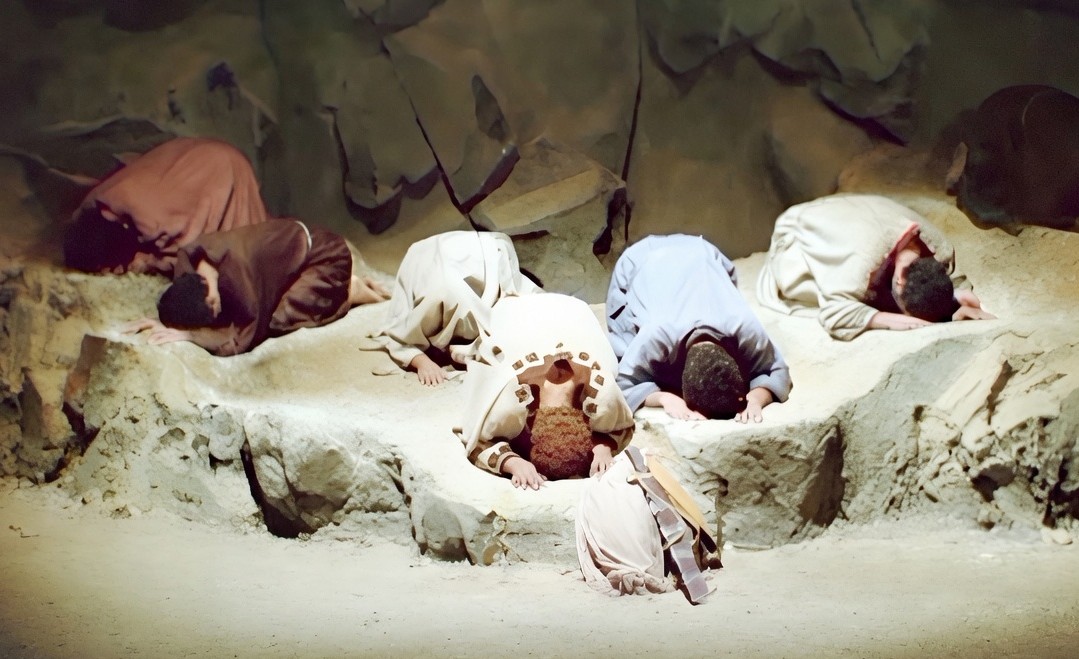
The Companions of the Cave – Faith, Sleep, and a Miraculous Awakening
The story of the Seven Sleepers (also called the Companions of the Cave) is a famous tale told in many religions. It’s about a group of young men who had to run away because people were treating them badly for their faith. They hid in a cave and fell into a deep sleep that lasted hundreds of years. When they finally woke up, the whole world had changed. People tell this story to show how God protects those who believe and to show that life after death is possible.
Origins of the Story
eople think the story of the Seven Sleepers first started in Christian writings during the 5th or 6th century. Most versions say it happened in the old city of Ephesus under Emperor Decius (around 250 CE).
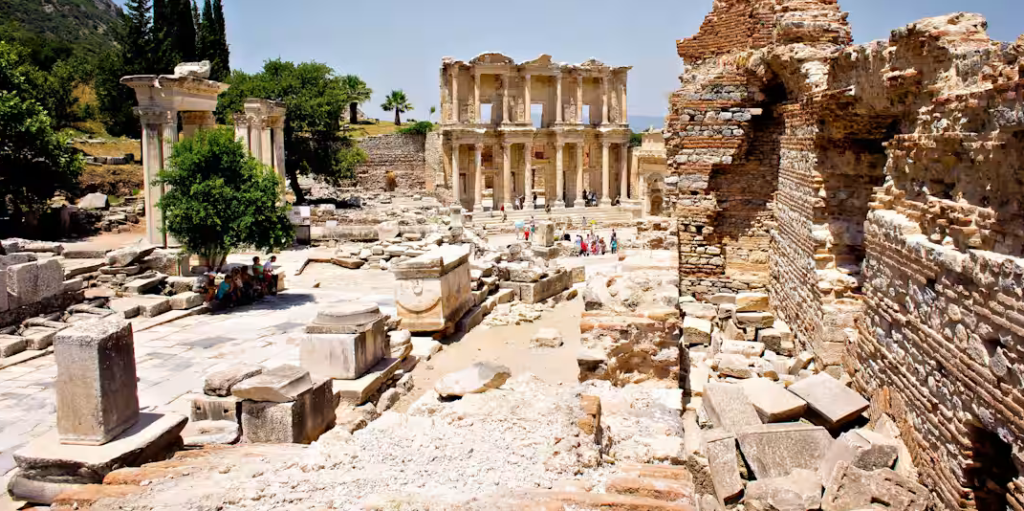
The ancient city of Ephesus is now an archaeological site located near the modern town of Selçuk, in the İzmir Province of western Turkey. (Image Source: history.com)
As years went by, the story spread everywhere and was translated into many languages like Greek and Latin. Because so many different people retold the story in their own way, it eventually became an important part of Islamic tradition, too.
Historical and Religious Background
This story is usually set during the time of a Roman ruler named Emperor Decius. Back then, it was very dangerous to be a Christian. The government tried to force people to give up their faith and pray to Roman gods instead. Many people had to run away or hide so they wouldn’t get hurt. The legend of the Seven Sleepers shows just how scary those times were and how much people were willing to go through for what they believed in.
Where the Story Comes From
You can find the story of the Seven Sleepers in both Christian and Islamic books. In the Christian version, old religious writings tell the story with a lot of detail about the miracle. In Islam, the story is found in a chapter of the Quran called Surah Al-Kahf (18:9–26). There, it’s used to show how powerful God is. Even though the main story is the same in both religions, each one focuses on slightly different parts.
Christian Perspective (Seven Sleepers of Ephesus)
In the Christian tradition, these young men are actually seen as saints. They are often called the “Holy Seven Youths.” For a long time, Christians used this story to defend their beliefs. It was a great way to prove that people really can be brought back to life (resurrection), especially when others were arguing that it wasn’t possible.
- Here is how the story goes: During the time of Emperor Decius, seven young Christian men who were often described as soldiers or noblemen refused to worship Roman idols. To stay safe, they ran away to a cave on a nearby mountain to pray. While they were there, they fell into a miraculous sleep, and the emperor had the cave sealed shut. Hundreds of years later, the cave was accidentally opened. The men woke up thinking they had only slept for one night! When one of them went to buy food, he tried to pay with old coins from the time of Decius. That is when they realized that centuries had passed and Christianity was now the main religion. After sharing their amazing story, they passed away peacefully, and their tomb became a holy place.
- Names: The names of the seven men can be a little different depending on who is telling the story. In Western traditions, they are usually called Maximian, Malchus, Marcian, John, Denis, Serapion, and Constantine. In Eastern traditions, the names are slightly different, like Maximilian, Jamblichus, Martin, John, Dionysius, Antonius, and Constantine.
- Significance: For many people, it’s proof that God has the power to protect life and bring people back from the dead. Because it’s such a big deal, many churches have special “feast days” to celebrate it in July, August, or October. The story became so popular that it was translated into many languages and inspired lots of old paintings and books. Today, some people think it is a literal history, while others see it more as a beautiful legend meant to teach a lesson.
The number of men in the cave changed depending on who was telling the story. Early versions mentioned anywhere from three to eight people. Over time, seven became the most common number. Some of these older stories also mention a dog, but it wasn’t a very important character in the Christian version.
Muslim Perspective (Ashab al-Kahf / Companions of the Cave)
This story is actually a key part of the Qur’an. You can find it in (Surah Al-Kahf, verses 9–26) . It was revealed while the Prophet Muhammad (peace be upon him) was in Mecca. At the time, some Jewish scholars (and others) were asking him difficult questions to test if he was a true prophet, and this story was part of the answer. It’s used to teach tawhid (the belief that there is only one God) and to show that God has total control over time and the natural world. It basically tells believers that God will protect them and that even the most powerful rulers on Earth are nothing compared to Him.
- Story: The Qur’an tells the story with some specific and unique details. It mentions a group of young men who ran away from their society because people were worshipping idols. While people often argue about exactly how many youths there were some say 3, 5, or 7, with a dog potentially being the 8th the Surah Al-Kahf (Chapter 18) of the Quran says that only God knows the true number.
- They found a cave and prayed for mercy, and God made them fall into a deep sleep by “sealing their ears.” To keep their bodies healthy, God even turned them over from side to side while they slept. A dog, which tradition often calls Qitmir, stayed at the entrance to guard them. They finally woke up after 309 years (which is about 300 years on a solar calendar) and found the world had embraced monotheism. Just like in other versions, one of them went to town with old coins, which revealed the miracle. They passed away shortly after. Today, the exact location of the cave remains a mystery, though many different places across the Muslim world claim to be the spot.
- Importunate: This is one of the four main stories found in Surah Al-Kahf, which many Muslims read every Friday. It’s a very important chapter because it teaches lessons about staying true to your faith even when you are being persecuted, and it shows that God can protect those who believe without them having to compromise. The story also makes the point that even hundreds of years are nothing to God He is completely outside of time.
In Islamic tradition, the dog, Qitmir, is a very famous part of the story and often shows up in art or traditional talismans. The young men themselves are highly respected and, in some traditions, are seen as awliya (which means “friends of God” or saints). Finally, the story gives a bit of a warning it tells people not to get too caught up in arguing over small details that don’t matter, because only God knows the full truth.
In many Muslim accounts, the story is told a bit differently than the Christian version. For example, it doesn’t focus as much on the technical debate about the resurrection of the physical body. Instead, the emphasis is placed on God’s constant protection and how He uses miracles as signs for humanity.
Because the story is so beloved, many different places around the world claim to have the “real” cave. You can find sites in countries like Jordan, and Turkey, where people believe the youths actually slept, showing how much this legend has traveled across different cultures.
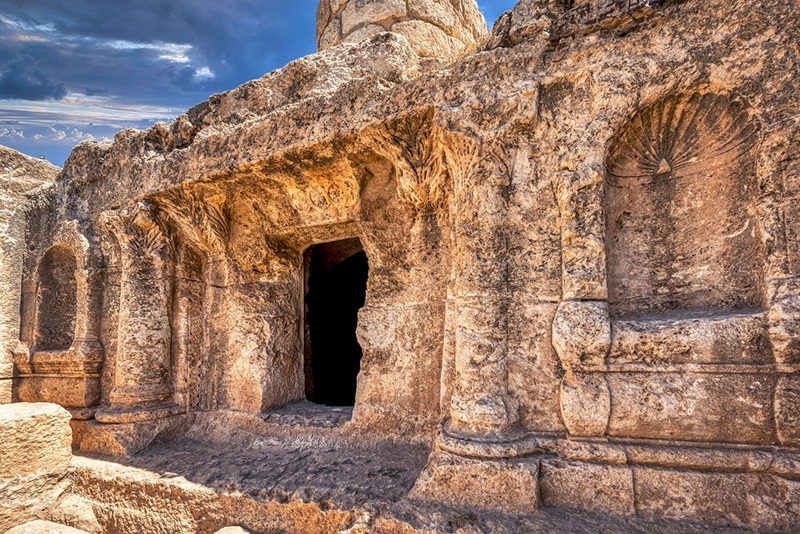
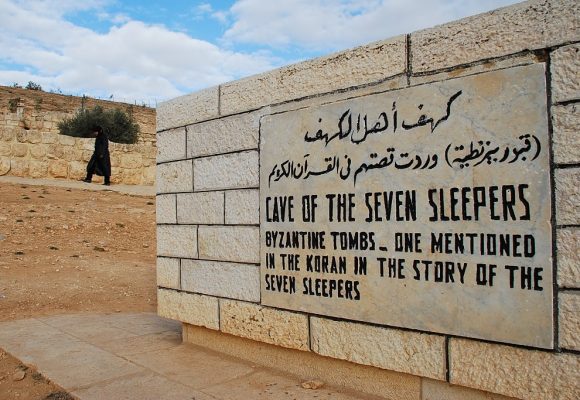
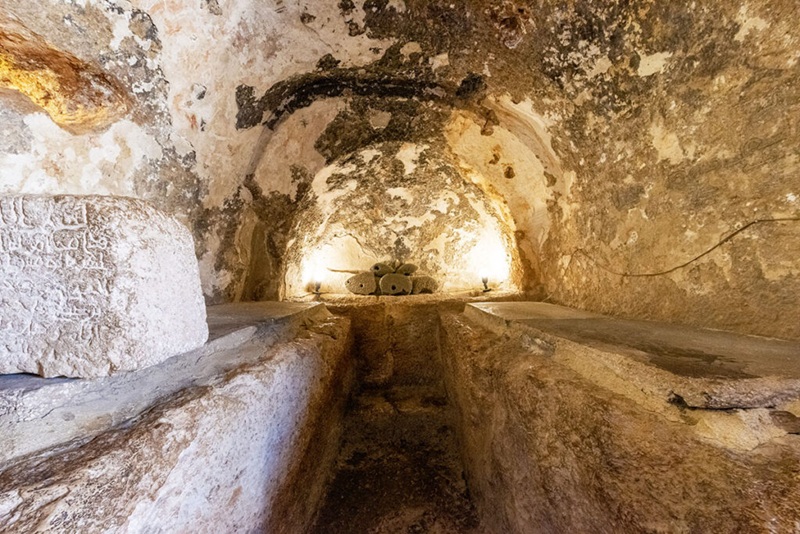
Al-Rajib Village (Amman) – The Cave of the Seven Sleepers
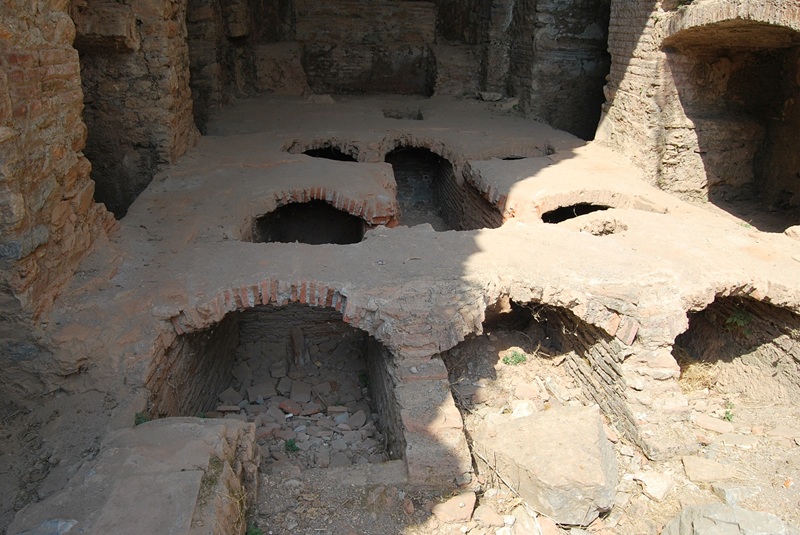
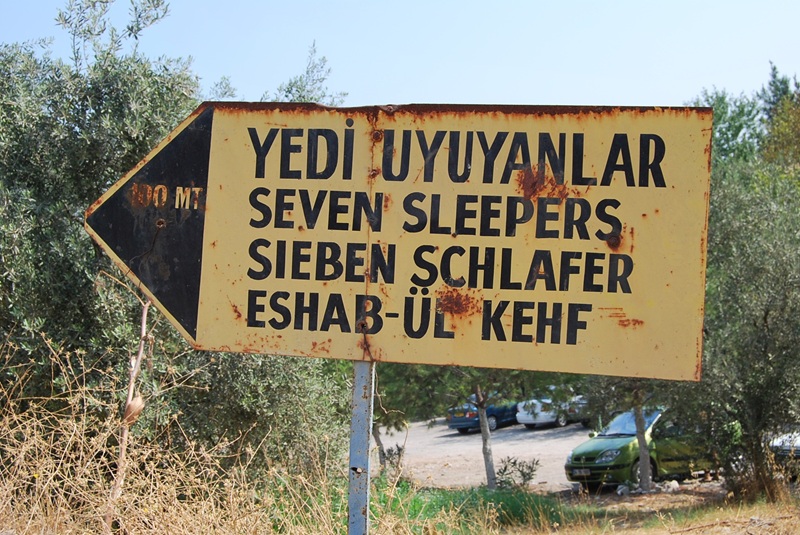
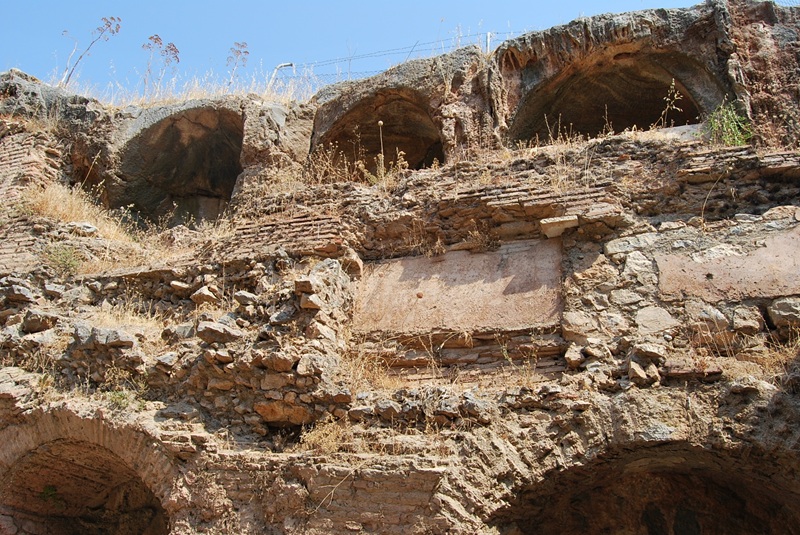
Cave of the Seven Sleepers (Yedi Uyurlar Mağarası) in Turkey is located near the ancient city of Ephesus, close to the modern town of Selçuk in the İzmir Province.

Afshi Speaks is a general interest blog dedicated to exploring the stories, ideas, and topics that shape our world. Our team researches and writes across a wide range of subjects to bring curious readers honest, informative, and engaging content.
Leave a Reply