We look at the tech we use every day and think it was always meant to be this way. We assume someone found a problem and built the perfect fix. But the history of the computer mouse tells a very different story. It was not the main prize of a big research project; it was just a side project that came out of a completely different experiment. For a long time, nobody not even the people who made it thought it would become important.
The Wooden Prototype
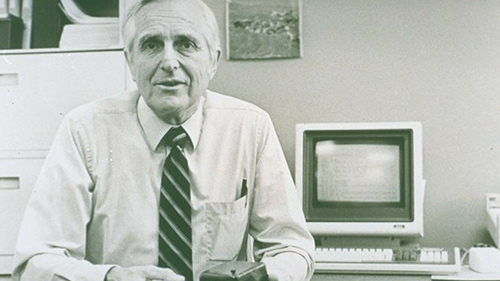
The story starts in the early 1960s at the Stanford Research Institute. A scientist named Douglas Engelbart was leading a project to change how humans and machines work together. He wanted to find ways to help the human mind do more.
As part of this study, the team built a prototype mouse. It was just one of many tools they tested, along with joysticks and light pens. Built in 1964 by William English, the very first working mouse was a crude wooden box. Inside, it had two metal wheels that tracked movement. It was not named “mouse” because of a fancy design idea. It got its name by pure luck because the wire coming out of the back looked like a mouse’s tail to the lab workers.
Ignored at the Start
On December 9, 1968, Engelbart gave a talk that is now famous as the “Mother of All Demonstrations”. For an hour and a half, he showed off the future. He shared things like links between texts, video calls, and people working on the same document together online. In 1968, this seemed like science fiction.
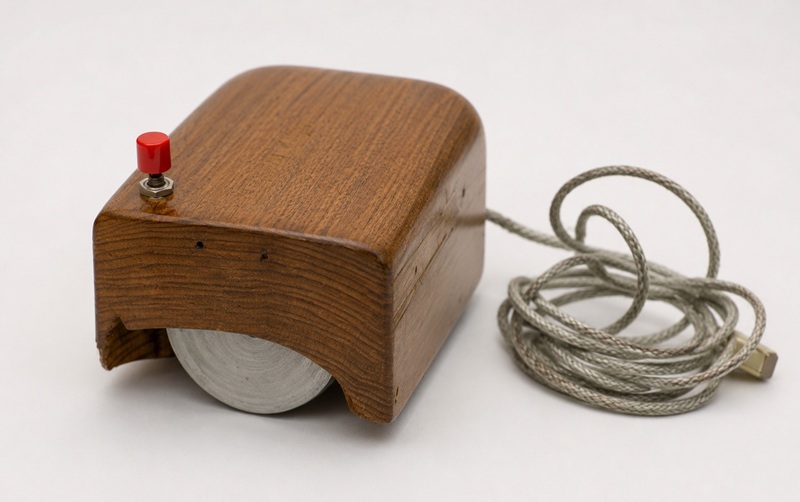
But with all these amazing tech updates, the simple wooden mouse got almost no attention. It looked old-fashioned rather than new. Experts and reporters were so amazed by the rest of the system that the mouse was left in the dark. Even the inventor did not think it was a major success, and the patent office gave it a very boring name: “X-Y coordinate indicator for a display system”.
From Flop to Everyday Tool
For many years after that talk, the mouse was mostly forgotten. The first company that tried to sell it was Xerox in 1981. But the computer was way too expensive, and the mouse alone cost $400. Because of that, it failed in the market.
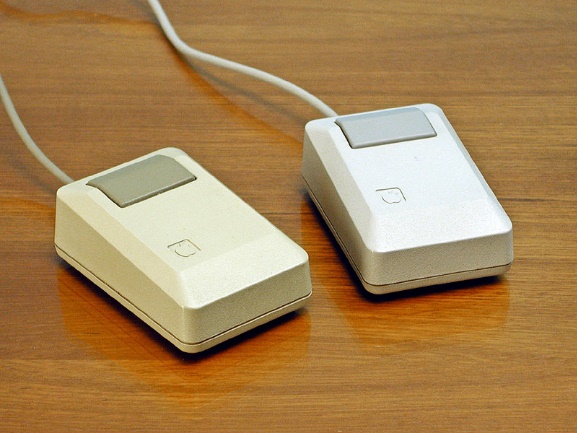
The big shift happened when Apple founder Steve Jobs saw the mouse and realized it could be great. He asked Apple engineers to make a version that was reliable but very cheap.
This led to a simple, one-button mouse for the Macintosh in 1984. The Mac showed the world an easy, visual screen with pictures you could click. Before this, in old text-only computer systems, you did not even need a pointer. But as computers changed to visual screens, the mouse which started as a side thought became the standard tool for everyone.

Afshi Speaks is a general interest blog dedicated to exploring the stories, ideas, and topics that shape our world. Our team researches and writes across a wide range of subjects to bring curious readers honest, informative, and engaging content.
Leave a Reply